
Peri-Urban Land Systems

This category examines the transformation of rural land at the edges of Bangalore as the city expands into agrarian hinterlands.
Articles explore the legal, ecological, and economic forces shaping the peri-urban frontier where agricultural land gradually transitions into urban development.

Peri-Urban Land Systems, Urban Expansion Corridors

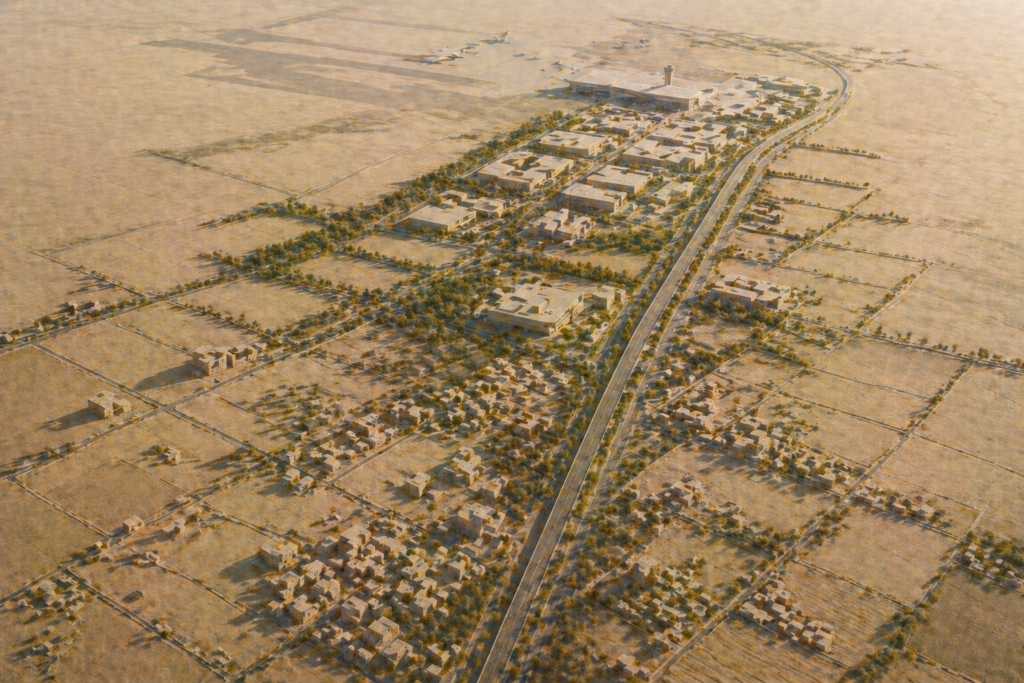
The Devanahalli Corridor

Devanahalli represents a different model of urbanisation, shaped by institutional anchors rather than organic expansion. The presence of the airport, KIADB, and BIAAPA creates a structured development environment with a distinct risk profile. This article examines how institutional clarity alters both pricing and risk


Agrarian Systems, Peri-Urban Land Systems

Agricultural Land Fragmentation

Fragmentation is not a residual problem of the past. It is the structural condition of land entering the development pipeline. This article examines how inheritance, coparcenary structures, and incomplete partitions create ownership complexity that directly determines whether transactions succeed or fail

Agrarian Systems, Peri-Urban Land Systems

Labor and Agrarian Land Markets

Land transactions in peri-urban Karnataka are shaped not only by ownership, but by cultivation history. Agrarian labor relationships have created legal rights that are often invisible in standard records. This article examines how those rights emerge and why they disrupt transactions long after acquisition

Agrarian Systems, Peri-Urban Land Systems

The Rural Governance Framework

Land at the metropolitan edge exists within overlapping governance systems that were not designed for urban-scale value. The gram panchayat framework continues to administer land that is functionally urbanising. This article examines how this mismatch creates administrative and title complexity

Scroll to Top